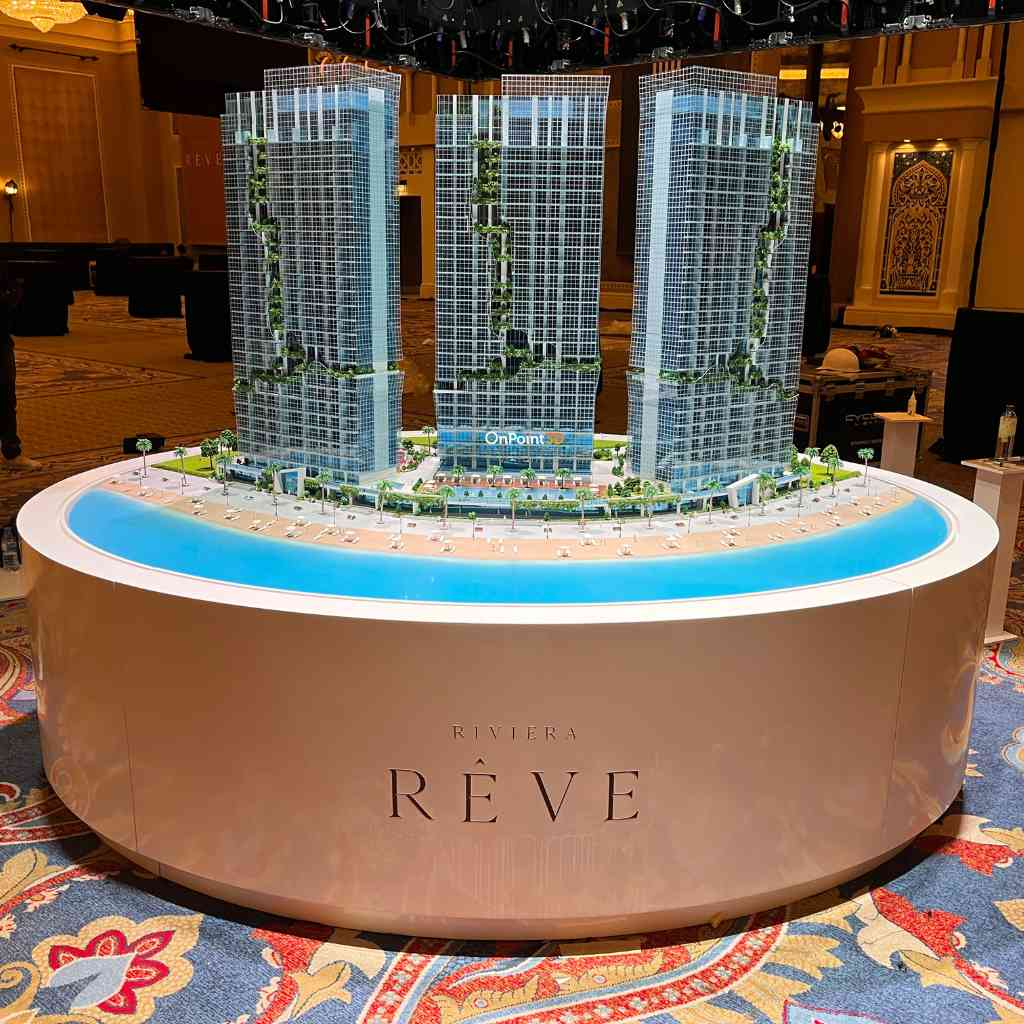
Architectural models serve two distinct purposes, yet many people confuse their roles in the design process. One model captures raw ideas and spatial relationships early on, while the other showcases a polished vision for clients and public viewing. Understanding this difference saves time, money, and creative energy for any design project.
Both types hold value, but they operate in completely different creative spheres. This blog explores the essential distinctions between conceptual and presentation models for curious designers and model makers in UAE.
What is a conceptual model?
A conceptual model focuses on form, massing, and basic spatial relationships without fine details. Designers build these models quickly using inexpensive materials like foam, cardboard, or balsa wood. The goal involves testing ideas, exploring volumes, and studying how light interacts with surfaces. These models look rough and unfinished, showing the design process in its rawest state. Conceptual models allow architects to fail fast and learn faster during early brainstorming sessions.
What is a presentation model?
A presentation model represents the final design with high precision and exquisite craftsmanship. These models include accurate textures, realistic colors, landscape elements, and tiny human figures for scale. Presentation models use high-quality materials like acrylic, resin, and laser-cut wood with painted finishes. Every window, door, and structural detail appears exactly as the finished building will look. These models produce visual impact during client meetings, public exhibitions, and competition entries.
Purpose and audience differ completely
Conceptual models serve the design team as internal thinking tools during development phases. Presentation models target external audiences, including clients, investors, planning committees, and the general public. Conceptual models communicate ideas to fellow designers who understand abstract representations. Presentation models tell a clear story to non-architects who expect realistic visualizations. Each model type speaks to a different group with different expectations and needs.
Material choices set them apart
Conceptual models feature cheap, accessible materials that permit quick modifications and disposable iterations. Presentation models demand durable, aesthetically pleasing materials that withstand frequent handling and close inspection. Foam cores and chipboards dominate conceptual work while acrylics and hardwoods define presentation pieces. Material selection directly affects the model’s lifespan, cost, and overall visual impression. The right material choice determines whether a model serves its intended function effectively.